

Sustainable Design: Designing Communities for the Future.
Company
The buildings we design today will influence how people live, work, play, and learn for generations. Sustainability has been one of the hallmarks of RRMM’s designs over the years and has designed and guided over 54 projects to LEED certification.
Rather than viewing sustainability as a standalone feature, RRMM is integrating sustainable principles throughout every phase of a project’s lifecycle, from planning and material selection to construction and operation.
With buildings accounting for approximately 40% of global carbon dioxide emissions, the AEC industry plays a critical role in creating a more sustainable future. Thoughtful design choices can help reduce energy consumption, lower operating costs, and create resilient facilities that support communities for decades to come.
Key Elements of Sustainable Design
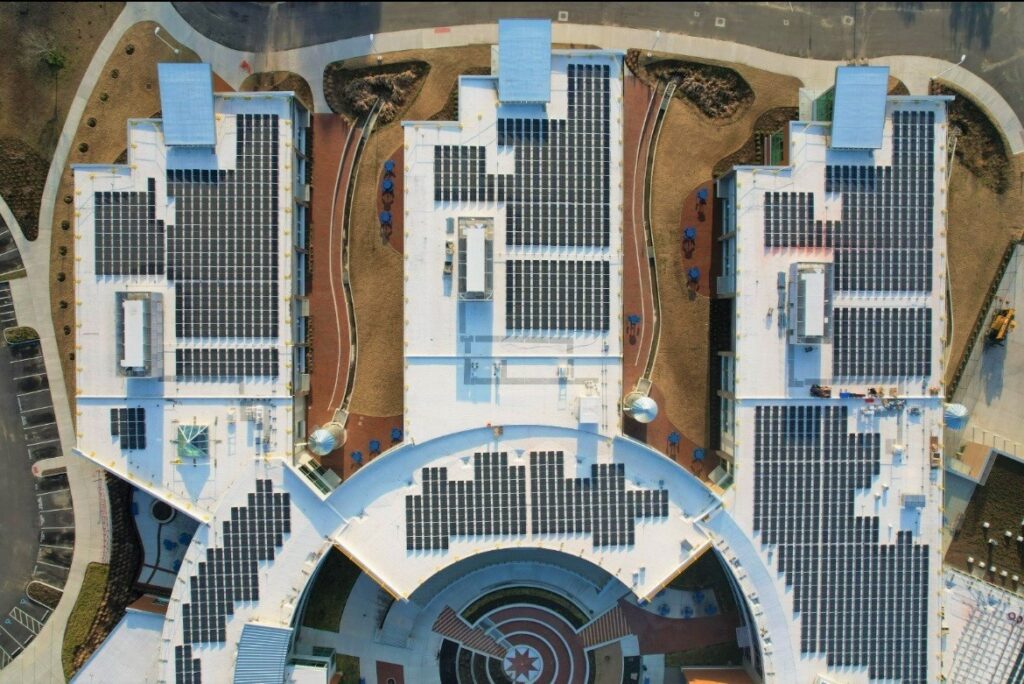
Energy Efficiency: One of the most effective ways to reduce a building’s environmental footprint is through energy efficient design. Strategies such as high-performance building envelopes, efficient mechanical systems, and producing renewable energy on site can significantly reduce energy use and lower operating costs in the long run.
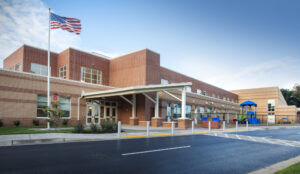
Brown Station Elementary School surpassed its initial LEED Silver requirement and achieved LEED Gold Certification. The school utilizes a geothermal heating and cooling system and advanced HVAC building controls to maximize energy efficiency. By adjusting system performance based on real-time building needs, these sustainable features reduce energy consumption, lower operating costs, improve indoor air quality, and support a healthier learning environment for students and staff.
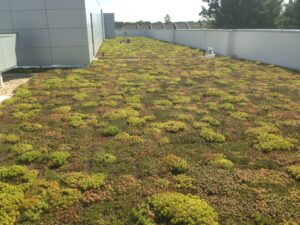
Biophilic Design: Biophilic design strengthens the connection between people and nature by incorporating natural elements into the built environment. Features such as green roofs, natural daylighting, and outdoor gathering spaces can enhance occupant wellbeing while supporting environmental performance.
A great example is the green roof at Providence Community Center, which helps manage stormwater, reduces heat gain, and contributes to a healthier and more engaging environment for the community. These environmental benefits also provide economic benefits by reducing energy costs from the decreased need for cooling. It also extends the lifespan of the roof because the vegetation shields it from extreme temperature and weather.
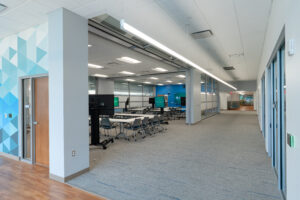
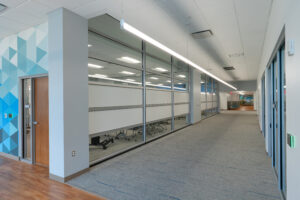
Flexible and Adaptive Spaces: Communities are constantly changing, and the buildings that serve them should be able to adapt. Flexible, multi-purpose spaces can accommodate evolving programs without requiring extensive renovations. Designing for adaptability extends a building’s lifespan while maximizing value.
A good example that we have used in several of our recent projects are operable walls that allow spaces to be reconfigured for most effective use, while providing space division without structural impact.
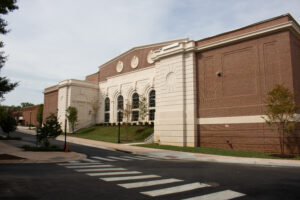
Thoughtful Material Selection: The materials chosen for a project have a lasting impact on both performance and sustainability. Durable, responsibly sourced, and low-maintenance materials can reduce environmental impacts throughout a building’s lifecycle while improving long-term resilience and reducing replacement costs.
The Joan Perry Brock Convocation Center used brick and precast concrete for the detailed exterior of the building to not only complement the character of the Longwood University campus, but also because of its durability and long-term performance.
More Than Environmental Responsibility
Sustainable design is about more than reducing energy use or meeting environmental goals, it’s about creating spaces that support healthier communities, improve user experiences, and provide long-term value.
As the industry recognizes initiatives such as World Green Building Week each September, the conversation around sustainable design continues to grow. Sustainability is not limited to a single week or campaign, it’s an ongoing commitment to making design decisions that benefit both people and the planet.